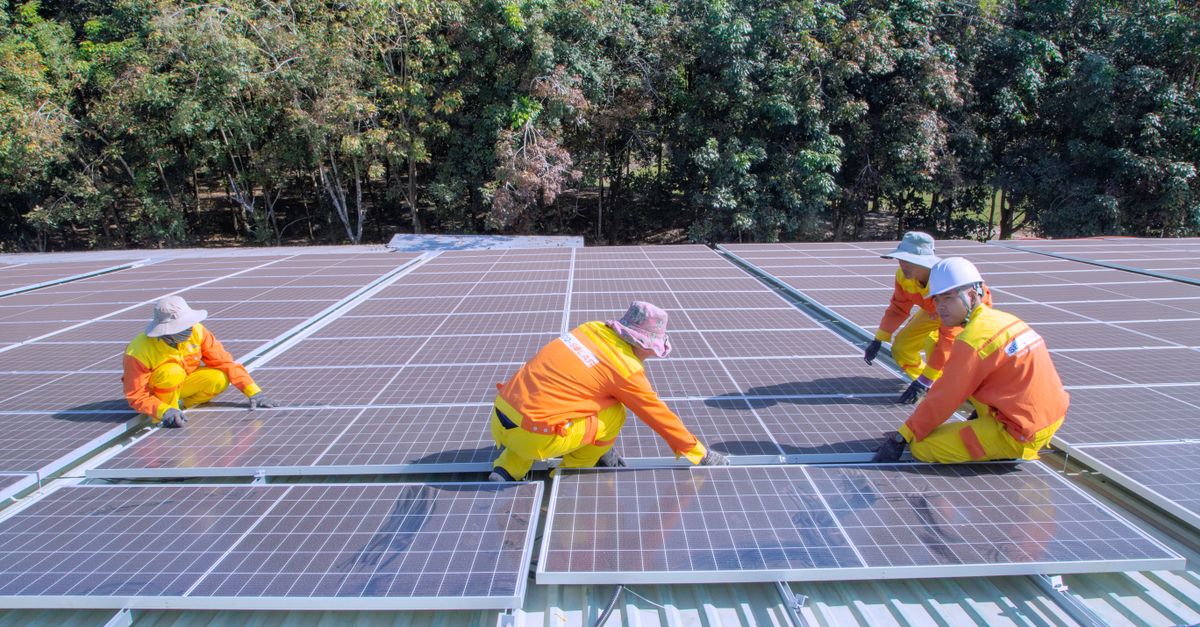
Comparing Monthly Payment Plans for Solar Systems in Adelaide
Table Of Contents
Government Incentives for Solar Financing
The Australian government offers a range of incentives to encourage the adoption of solar energy systems. These initiatives primarily target residential and commercial solar installations, aiming to reduce the overall cost burden on consumers. Key incentives include the Small-scale Renewable Energy Scheme (SRES), which provides financial rebates for the installation of solar panels. Additionally, various state governments offer their own incentives, such as feed-in tariffs and grants, which can further enhance financial benefits for solar users.
These programs not only make solar more accessible but also stimulate growth in a sustainable energy sector. Installers often incorporate these rebates into their pricing strategies, allowing customers to enjoy immediate reductions in upfront costs. Understanding the specific incentives available in South Australia can significantly impact financial decisions regarding solar system purchases. The combination of federal and state support is designed to incentivise clean energy adoption, contributing to environmental goals and promoting energy independence.
Available Rebates and Grants
Residents in Adelaide can take advantage of various financial incentives aimed at making solar energy more accessible. The South Australian government offers rebates that significantly reduce the upfront costs of solar systems. Initiatives such as the Solar Home Battery Scheme provide additional financial support for those looking to install battery storage alongside their solar panels, thereby optimising energy efficiency and savings.
In addition to government rebates, there are also federal incentives that play a crucial role in promoting solar installations. The Small-scale Renewable Energy Scheme (SRES) allows homeowners to receive certificates for the generation of renewable energy, which can be sold or traded to offset solar system costs. These combined financial supports can create a more attractive proposition for those considering investing in solar technology for their homes.
Comparing Short-Term vs Long-Term Plans
When assessing payment options for solar systems, one must weigh the benefits of short-term plans against those of long-term commitments. Short-term financing typically involves higher monthly payments but allows homeowners to pay off their solar system sooner. This option often attracts individuals looking to maximise immediate savings on electricity bills and reduce interest payments over time. Additionally, such plans may offer the flexibility to upgrade or adjust solar systems in response to changing energy needs.
On the other hand, long-term plans usually include lower monthly payments, making solar installations more affordable upfront. This option can be appealing for those who prefer predictable budget management over an extended period. However, the total cost over the life of the loan may be higher due to accruing interest. Long-term plans may also deter homeowners from making changes to their systems, given the extended commitment. Evaluating personal financial circumstances and energy needs can help in making the right choice between these two payment strategies.
Which Option Suits Your Needs?
When considering solar financing options, it is crucial to assess personal financial circumstances and energy consumption needs. Short-term plans often come with higher monthly payments but allow homeowners to pay off their systems more quickly. This can lead to substantial savings on energy costs sooner, making it appealing for those who can afford it. Long-term plans typically present lower monthly payments, easing the financial burden, which can be advantageous for budget-conscious households.
Evaluating how long you plan to stay at your current residence can also influence your decision. If you expect to relocate in the near future, a short-term plan may yield a better return on investment before selling the property. Conversely, those who intend to remain in their homes for the long haul may benefit from the lower upfront costs associated with long-term financing. Taking these factors into account can lead to a well-informed choice tailored to your energy needs and financial flexibility.
The Impact of Electricity Prices on Payments
Electricity prices have a significant influence on the overall monthly payments for solar systems. As grid electricity costs rise, the savings from solar energy installation become more pronounced. Homeowners can offset a greater proportion of their electricity bills, allowing them to recoup their investment more rapidly. This dynamic can lead to a stronger case for choosing solar financing options, making the prospect more appealing in an environment of escalating utility charges.
Moreover, fluctuations in electricity prices can directly impact how quickly a solar system pays for itself. When rates increase, not only does it enhance immediate savings, but it can also contribute to a more favourable return on investment over time. Individuals evaluating their payment plans need to consider these potential changes in tariffs alongside their long-term financial planning. Understanding the relationship between solar payments and electricity costs is crucial for making an informed decision that aligns with individual circumstances.
How Rate Changes Affect Your Budget
Rising electricity prices significantly influence the overall cost of solar payment plans. Homeowners typically install solar systems to reduce their energy bills, so fluctuations in electricity rates can impact potential savings. If rates increase, the return on investment for solar installations can become more attractive, enhancing the financial viability of long-term plans. Conversely, stagnant or decreasing electricity prices can decrease the urgency for immediate solar adoption, leading to potential second thoughts regarding financing choices.
Budgeting for solar financing requires careful consideration of how these rate changes might affect monthly payments. With interest rates fluctuating, the cost comparison between fixed-rate loans and variable-rate options becomes essential. Homeowners should factor in not only current rates but also predict potential price movements over the life of the loan. This proactive approach can ensure a more accurate estimation of total payments and encourage a strategic decision that aligns with both financial goals and energy needs.
FAQS
What government incentives are available for financing solar systems in Adelaide?
In Adelaide, the government offers various incentives such as rebates, grants, and feed-in tariffs that can significantly reduce the cost of solar system installation and financing.
What are the key differences between short-term and long-term solar payment plans?
Short-term plans typically involve higher monthly payments but allow you to pay off the system more quickly, whereas long-term plans offer lower monthly payments spread over a longer period, which may result in higher overall costs.
How do I determine which solar payment plan suits my needs?
To determine the best solar payment plan for you, consider factors such as your budget, how long you plan to stay in your home, your energy consumption, and the potential impact of electricity price fluctuations.
How do changes in electricity prices affect solar system payments?
Changes in electricity prices can affect your monthly budget, as higher prices may make solar energy more cost-effective, while lower prices could impact your savings from solar systems, influencing the financial viability of your payment plan.
Are there any hidden costs associated with solar payment plans?
While most solar payment plans are straightforward, potential hidden costs may include installation fees, maintenance costs, or charges related to early termination of financing agreements. Always read the fine print and ask for a full breakdown of costs before committing.
Related Links
The Impact of Credit Scores on Solar Panel Financing in AustraliaFlexible Financing Solutions for Residential Solar Installations
Exploring Lease and Power Purchase Agreement (PPA) Options
A Guide to Solar Financing for First-Time Buyers in Adelaide
Innovative Payment Plans for Commercial Solar Solutions