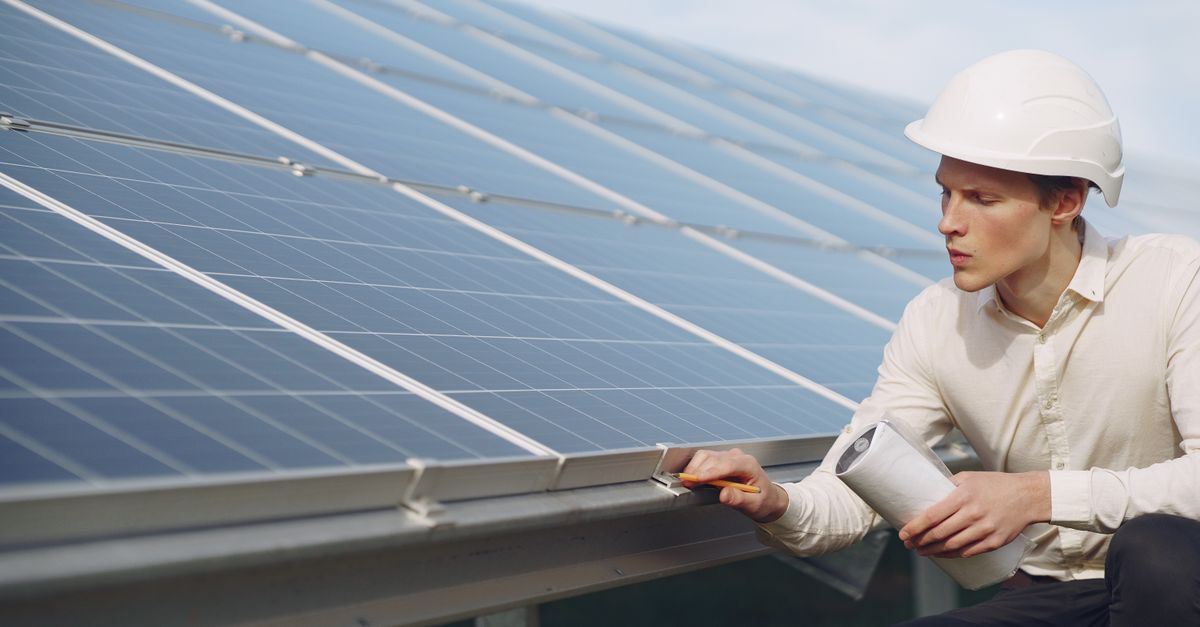
Compliance Checks for Installed Solar Systems in Australia
Table Of Contents
Consequences of Non-Compliance
Failure to comply with established regulations for solar systems can lead to significant penalties. Non-compliance may result in financial fines, which can be substantial for both residential and commercial installations. Beyond monetary penalties, systems might be disconnected from the grid, leading to operational losses and disruption of energy supply. In severe cases, liabilities can extend to safety hazards, endangering not only the property but also the occupants and surrounding community.
The repercussions of not adhering to compliance standards can also affect a homeowner’s insurance coverage. Insurers may refuse to cover damages related to non-compliant installations, leaving owners vulnerable to loss without financial support. Moreover, the resale value of a property could plummet if a solar system is found to be outside regulatory compliance, creating long-term financial implications. Understanding these potential issues is crucial for anyone looking to invest in solar technology.
Risks and Liability Issues
When solar systems fail to meet compliance standards, the ramifications can extend beyond financial penalties. Increased risks of system malfunction can lead to safety hazards, potentially resulting in accidents or injuries. Homeowners and installers may face significant liability claims if a system failure causes damage to property or person. Such incidents can strain relationships with clients as trust breaks down due to non-compliance issues.
In addition, the legal landscape surrounding solar installations is continually evolving. Regulations may vary widely between states and local jurisdictions, making it necessary for installers to stay informed and proactive. Failing to adhere to these standards can expose businesses to litigation, increased insurance premiums, and even loss of certification. Navigating these risks requires an understanding of local laws and thorough documentation of compliance efforts to mitigate potential liabilities effectively.
How to Prepare for a Compliance Check
Preparing for a compliance check involves thorough attention to detail and understanding the specific requirements set by local regulations. Start by reviewing all relevant documentation associated with the solar installation, including installation contracts, warranties, and compliance certificates. Ensure that all documents are readily accessible and organised. Familiarity with documentation requirements helps streamline the process and avoids potential misunderstandings during inspections.
Attention to the physical state of the solar system is equally crucial. A comprehensive inspection of the installed system should be conducted prior to the compliance check. This includes verifying that all components are correctly installed, operational, and free of damage. It's also essential to ensure that the system meets the technical standards set by local authorities and network providers. Addressing any issues beforehand can significantly reduce the risk of non-compliance and facilitate a smoother assessment process.
Documentation and System Readiness
Proper documentation plays a crucial role in ensuring that a solar system is ready for compliance checks. Systems should have all relevant documents organised and accessible. These documents typically include installation certificates, warranties, operation manuals, and any correspondence with utility companies. Keeping records updated is essential, as it reflects the system's adherence to Australian standards and regulations. Ensuring that every component of the solar installation is documented helps facilitate a smoother inspection process.
Readiness of the system involves thorough checks of the installation and operational performance. This encompasses verifying that all equipment is functioning as expected, safety measures comply with regulations, and the overall system integrates seamlessly with the grid. Any discrepancies detected before an inspection can lead to complications during the compliance check. Engaging qualified technicians to conduct pre-inspection assessments can further ensure that the system meets all necessary criteria and is in optimal condition.
Understanding Grid Connection Requirements
Connecting solar systems to the grid involves a range of requirements that must be met to ensure safety and efficiency. Each state and territory has its own set of regulations related to grid connection. Compliance with these regulations typically includes obtaining the necessary permits from local councils and power networks. Understanding these specific requirements helps streamline the approval process and reduces the risk of delays.
Electricity network providers often have stringent standards for the integration of solar systems into the grid. These standards can encompass technical specifications for inverter performance and guidelines regarding the maximum allowable export capacity. It is crucial for solar system owners and installers to be familiar with these requirements to avoid potential penalties and ensure a smooth operation of their solar installations within the grid.
Compliance with Network Provider Standards
Fulfilling the standards set by network providers is essential for solar system installations. Each network operator may have specific compliance requirements, including technical specifications and guidelines that must be adhered to for safe and efficient operation. These standards often encompass aspects such as inverter functionality, energy feed-in protocols, and grid stability measures. Engaging with the relevant network provider early in the installation process ensures that all necessary conditions are understood and met.
Solar system operators must be aware of the implications of not adhering to these standards. Non-compliance can lead to significant consequences, including disconnection from the grid or penalties imposed by the network provider. Additionally, improper installations can create risks to safety and system performance. Regular consultations with network representatives and staying updated on regulatory changes are crucial for maintaining compliance and ensuring the longevity of the solar installation.
FAQS
What are the potential consequences of non-compliance for solar systems in Australia?
Non-compliance can lead to significant consequences, including financial penalties, the disconnection of the solar system from the grid, and potential liability issues in the event of accidents or damage caused by the system.
How can I prepare my solar system for a compliance check?
To prepare for a compliance check, ensure that all necessary documentation is in order, including installation certificates and maintenance records, and confirm that your solar system is functioning correctly and meets the relevant standards.
What kind of documentation is required for a compliance check?
Required documentation typically includes the installation certificate, electrical safety certificates, maintenance records, and any warranties or guarantees related to the solar system components.
What are the grid connection requirements for solar systems in Australia?
Grid connection requirements may vary by region but generally include compliance with standards set by the network provider, ensuring that the system does not exceed specified capacity limits and meets safety regulations.
How do I ensure compliance with network provider standards?
To ensure compliance, consult your local network provider for their specific requirements, engage qualified professionals for installation and maintenance, and stay informed about any changes to regulations or standards affecting solar installations.
Related Links
Ensuring Safety Standards in Solar Panel Post-InstallationAssessing Solar Panel Output: What You Need to Know
Understanding the Role of Inverters in Post-Installation Testing
Performance Monitoring Techniques for Solar Energy Systems
Checklist for Solar Panel Testing After Installation
Identifying Common Post-Installation Issues in Solar Panels