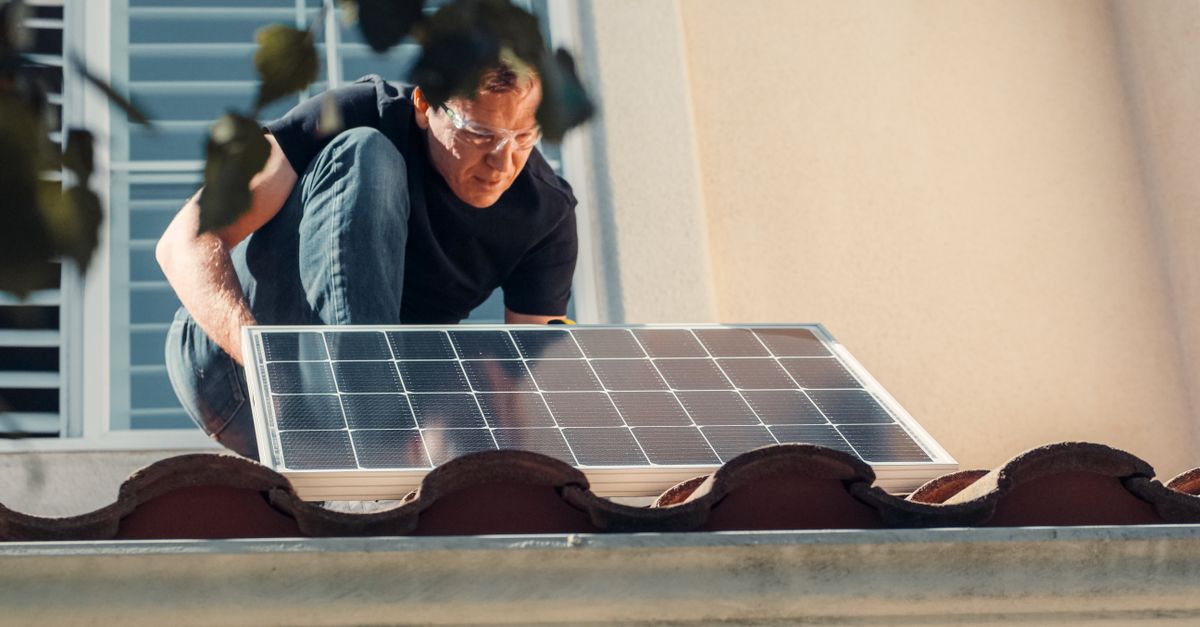
Key Factors to Consider During Solar Site Surveys in Adelaide
Table Of Contents
System Sizing and Configuration
Successful solar site surveys begin with precise calculations. These calculations involve assessing the total energy requirements of the property in question. Understanding the energy consumption patterns is essential to ensure that the solar system can adequately meet the needs throughout the year. Seasonal variations in energy use must also be factored in, highlighting the importance of adjusting the system size accordingly.
Selecting the appropriate configuration for solar panel systems is equally vital. This process includes evaluating the potential placement of panels to optimise exposure to sunlight. Factors such as shading from nearby structures and the inclination of the roof play a significant role in determining the most effective arrangement. A well-configured solar installation not only enhances efficiency but also maximises the return on investment for the property owner.
Determining Optimal Solar Panel Layouts
The layout of solar panels plays a crucial role in maximising energy production. Factors such as the building's orientation, roof angle, and shading from nearby trees or structures should be meticulously assessed during the survey. A south-facing roof generally captures optimal sunlight for most of the year, but each property's unique characteristics may necessitate custom solutions. Additionally, considering the arrangement and spacing of panels ensures minimal shading and maximises exposure to sunlight throughout the day.
The choice between a fixed mount or a tracking system can significantly influence energy yield. For fixed installations, utilising the roof space efficiently while adhering to local regulations is essential. In contrast, tracking systems, which adjust the panel angle to follow the sun's path, can enhance energy capture but may involve higher upfront costs and maintenance. Evaluating these options based on the site’s specific characteristics will lead to a well-informed decision, ultimately improving the system’s overall performance and return on investment.
Regulatory and Permitting Requirements
Understanding local regulations is crucial for solar installations. Adelaide has specific guidelines that govern the installation of solar energy systems. These regulations are in place to ensure safety, environmental protection, and compliance with zoning laws. Engaging with local councils early in the planning process can help identify the necessary permits. Each council may have unique requirements, so familiarity with these will streamline project approval.
Before commencing installation, it is essential to gather all required documentation. Permissions may include planning approvals, electrical permits, and compliance with the National Construction Code. Ensuring adherence to these regulatory frameworks minimises project delays. It also helps to have a clear timeline for which approvals are needed and when. This proactive approach creates a smoother pathway to installation and reduces the risk of costly modifications later.
Navigating Adelaide's Local Guidelines
Local guidelines in Adelaide are crucial to ensure that solar installations adhere to state regulations and best practices. Zoning laws often dictate where solar panels can be installed, including restrictions on aesthetic considerations that might affect the architectural integrity of buildings. Adhering to these guidelines helps minimise conflicts with local councils and ensures smoother project approval processes.
Additionally, understanding the required permits and paperwork is essential for any solar project. Each council may have specific requirements regarding environmental assessments or neighbour consultations. By proactively engaging with local authorities, property owners can navigate the necessary approvals efficiently, potentially reducing delays and costs associated with the installation of solar systems.
Electrical Infrastructure Evaluation
Evaluating the existing electrical infrastructure is a critical step when planning for a solar installation. This process includes inspecting the current wiring, switchboards, and overall grid capacity. Understanding the age and condition of these components can highlight potential compatibility issues with the new solar system. Older infrastructure may require upgrades or modifications to accommodate additional loads generated by solar panels, ultimately ensuring a safe and efficient connection.
In addition to physical inspections, assessing the site’s energy consumption patterns is essential. Analysing historical data on electricity usage can provide insights into whether the current infrastructure can handle the increased demand. This evaluation also aids in determining the appropriate size of the solar array, aligned with the energy needs of the property. Integrating these factors helps in optimising system performance and ensuring compliance with safety standards.
Assessing Compatibility with Existing Systems
Evaluating the compatibility of new solar installations with existing electrical systems is crucial for a seamless integration. Professionals should conduct thorough assessments of current infrastructure, including the capability of inverters and cabling. Identifying potential upgrades or modifications early on can prevent complications during installation and ensure that the new solar system operates efficiently alongside existing components.
The potential influence of shading from nearby structures or trees is another factor to consider. It can significantly impact the performance of solar panels. Conducting a detailed analysis of environmental conditions and current energy consumption patterns will facilitate a more informed decision-making process. Understanding these elements allows for a tailored approach that optimises energy output and ensures long-term viability of the solar installation.
FAQS
What is the importance of system sizing in solar site surveys?
System sizing is crucial as it determines the amount of energy the solar system will generate, ensuring it meets the energy needs of the property without overspending on unnecessary capacity.
How do I determine the optimal layout for solar panels on my property?
The optimal panel layout can be determined by assessing the available roof space, shading from nearby structures, and the orientation and tilt of the roof to maximise sunlight exposure.
What regulatory requirements should I be aware of for solar installations in Adelaide?
In Adelaide, it’s important to be aware of local regulations, building codes, and any specific council guidelines that govern solar installations to ensure compliance and avoid penalties.
What are the key local guidelines for solar installations in Adelaide?
Local guidelines can include restrictions on panel placement, height, and aesthetics, which can vary by council area. Consulting with local authorities or a professional installer can help ensure compliance.
How do I evaluate the compatibility of a solar system with my existing electrical infrastructure?
Compatibility can be evaluated by conducting an electrical infrastructure assessment, which looks at factors such as the capacity of the existing wiring, inverter requirements, and the overall condition of the electrical system to ensure it can support the new solar installation.
Related Links
Evaluating Roof Conditions for Optimal Solar Panel PlacementHow to Identify Shading Issues Affecting Solar Panel Efficiency
The Role of Solar Access in Site Assessment for Adelaide Installations
Understanding the Importance of Site Assessment for Solar Installation in Adelaide
Assessing the Structural Integrity of Roofs for Solar Systems
Integrating Site Assessment Data into Your Solar Installation Plan