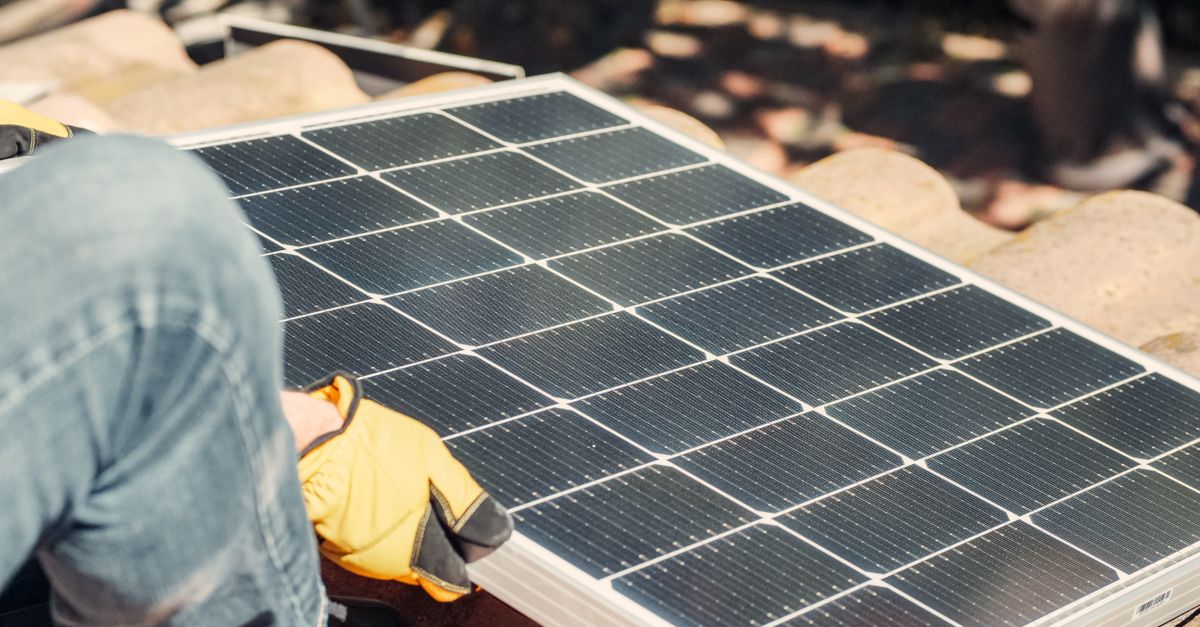
Maximising Your Tax Refund Through Solar Energy Investments
Table Of Contents
Choosing the Right Solar System
When selecting a solar system, assessing energy needs is crucial. Understanding your household's energy consumption will inform you about the appropriate size and capacity of the solar panels required. This will help you maximise efficiency and ensure that the installation meets your energy demands. Consider the direction and angle of your roof, as these factors can significantly influence energy production and overall performance.
Another important aspect is the quality of the solar panels and inverter. Investing in reputable brands typically yields better warranties and greater longevity. Researching available options can help you identify products that offer the best value for money. Consulting with experienced professionals allows you to gain insights tailored to your specific circumstances, ensuring that you make an informed decision that aligns with your financial goals.
Factors to Consider Before Purchase
When contemplating a solar system purchase, evaluating energy needs and consumption patterns becomes crucial. Homeowners should analyse their current electricity bills to discern usage trends. Understanding these patterns aids in selecting an appropriately sized system that can offset energy costs efficiently. Additionally, considering the specific characteristics of the property, such as roof orientation and shading from nearby trees or buildings, plays a significant role in the effectiveness of solar panels.
Budget is another vital aspect to assess before proceeding with a solar investment. While upfront costs can be substantial, exploring financing options and government incentives can significantly alleviate financial pressure. Potential buyers should also factor in long-term savings from reduced energy bills against the initial expenditure. Moreover, warranties and maintenance plans offered by vendors can further influence purchasing decisions, ensuring that the investment remains beneficial over time.
Leveraging Solar Energy for Business
Integrating solar energy into business operations can lead to significant savings and increased sustainability. By utilising renewable energy sources, companies not only reduce their reliance on traditional electricity grids but also buffer themselves against rising energy costs. This shift not only lowers operational expenses but aligns businesses with global sustainability goals, appealing to environmentally conscious consumers and investors alike.
Additionally, adopting solar energy can enhance a company's reputation and operational efficiency. With advancements in solar technology, businesses can implement systems that suit their specific needs, whether it be large-scale installations for manufacturing or smaller systems for retail locations. The investment often pays for itself over time, with potential tax incentives further sweetening the deal. Opting for solar can transform energy expenses into long-term financial strategy, ultimately contributing to healthier profit margins.
Tax Benefits for Commercial Solar Installations
Investing in solar energy for commercial purposes not only contributes to sustainability but also provides significant tax benefits. The Australian government offers various incentives to businesses that adopt solar technologies. Notably, the Instant Asset Write-Off allows companies to claim an immediate deduction for the cost of solar systems installed, making it financially appealing in the year of purchase. Additionally, businesses may also consider the Small-scale Renewable Energy Scheme (SRES), enabling them to generate small-scale technology certificates (STCs) based on the energy generation capacity of their solar systems.
Beyond immediate deductions, commercial installations can also lead to reduced operational costs. Lower electricity bills directly increase profit margins for businesses, providing ongoing financial benefits. Furthermore, the potential to sell excess energy back to the grid through feed-in tariffs adds another layer of financial gain. With these incentives and savings, businesses can enhance their cash flow while supporting eco-friendly initiatives.
The Role of Professional Solar Installers
Engaging professional solar installers can significantly enhance the efficiency and effectiveness of your solar energy system. Their expertise extends beyond installation, incorporating a thorough understanding of local regulations, potential incentives, and optimal technology. This knowledge ensures that the chosen system aligns with individual energy needs and maximises both financial returns and environmental benefits.
Certified installers also provide invaluable support during the entire implementation process. They perform site assessments, recommend the most suitable solar products, and manage installations that comply with safety standards. Furthermore, established installers often offer maintenance and support services post-installation, ensuring that the system operates at peak performance for years to come.
Importance of Expertise in Maximising Returns
The installation of solar energy systems can be complex, requiring a deep understanding of both the technology and local regulations. Engaging skilled professionals ensures the system is designed and installed to reach optimal efficiency. Their knowledge of current policies enables effective navigation through potential subsidies and tax rebates, significantly enhancing the return on investment.
Moreover, experienced solar installers can provide tailored recommendations based on specific energy needs and financial goals. This personalisation helps in selecting the right components, such as inverters and battery storage, which can further maximise the economic benefits over the lifespan of the system. A well-executed installation can lead to substantial savings on energy bills and additional tax benefits, amplifying the overall financial gains.
FAQS
What are the main factors to consider before purchasing a solar system?
When purchasing a solar system, consider factors such as your energy consumption, available roof space, system efficiency, local climate, and potential government incentives. It's also important to evaluate the quality and reliability of the solar panels and inverters.
How can solar energy investments benefit my business?
Solar energy investments can significantly reduce your business's electricity costs, increase sustainability, and improve your company's public image. Additionally, businesses can take advantage of various tax benefits and incentives associated with commercial solar installations.
What tax benefits are available for commercial solar installations?
Commercial solar installations may qualify for a range of tax benefits, including the Instant Asset Write-Off, Small-scale Technology Certificates (STCs), and depreciation allowances. These incentives can help offset the initial investment and increase the overall financial return on the installation.
Why is it important to hire professional solar installers?
Hiring professional solar installers ensures that your system is designed and installed correctly, maximising its efficiency and longevity. Experts can also help navigate the complexities of local regulations and ensure compliance with safety standards, ultimately maximising your return on investment.
How can I ensure I'm getting the best return on my solar energy investment?
To maximise your return on investment, choose a high-quality solar system suited to your energy needs, work with experienced professionals for installation, take advantage of available tax incentives, and regularly maintain your system to ensure optimal performance.
Related Links
Understanding the Solar Investment Tax Offset in AustraliaCommon Misconceptions About Solar Tax Benefits in Australia
Tax Implications of Solar Panel Installation in Adelaide
Exploring State-Specific Tax Incentives for Solar Energy
The Financial Advantages of Solar Investments for Homeowners
How to Navigate Tax Regulations for Solar Installations
Strategies for Claiming Solar Panel Tax Benefits Effectively