Recognising Signs of Wear and Tear in Solar Installations
Table Of Contents
Maintenance Practices to Prevent Wear
Preventative maintenance plays a crucial role in extending the lifespan of solar installations. Clear debris from the panels and surrounding areas regularly to ensure maximum exposure to sunlight. This might involve removing fallen leaves, dirt, or any objects obstructing the panels. Keeping the inverter and other components clean enhances their efficiency. Seasonal checks are vital in anticipating potential issues. Regularly rinsing panels with water can help eliminate grime without damaging the surface.
Scheduling systematic inspections can reveal minor problems before they escalate into significant concerns. A reliable maintenance schedule includes checking for structural integrity and analysing the alignment of solar panels. Monitoring performance output is essential to identify discrepancies that may suggest underlying issues. Documenting maintenance activities not only eases tracking but also assists in substantiating the system’s effective performance when discussing warranties or financing options. Adopting a proactive approach significantly reduces the risk of costly repairs down the track.
Regular Inspection Routines
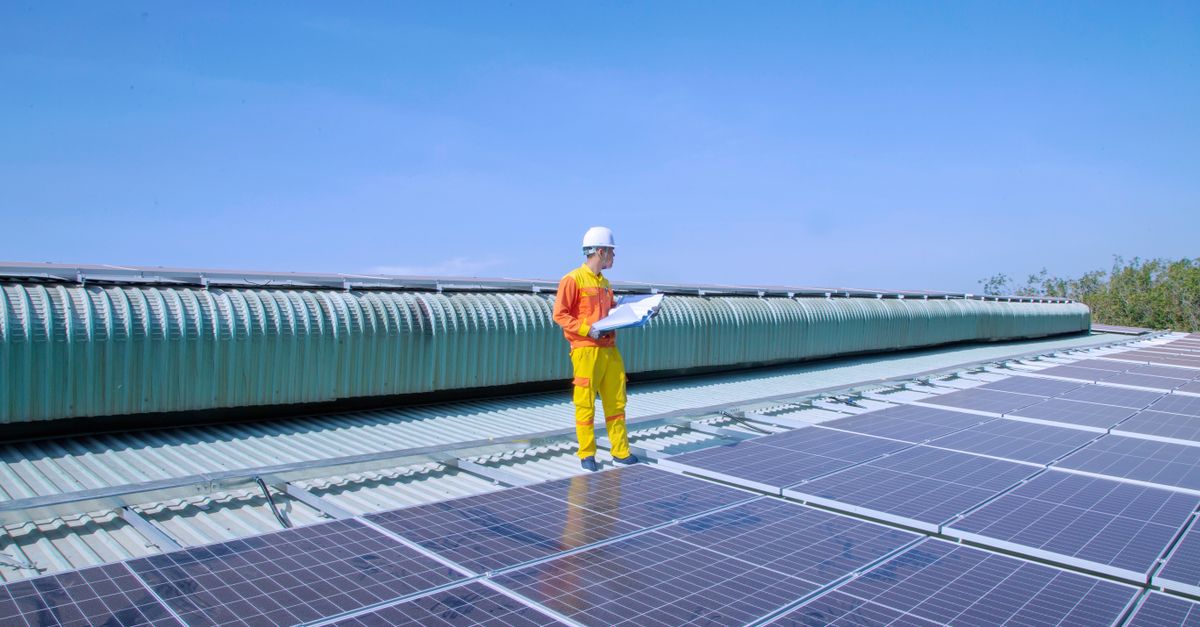
Establishing a routine for inspecting solar installations is essential for maintaining their efficiency and longevity. Regular checks allow homeowners to detect early signs of wear, ensuring any issues are addressed promptly. Inspections should include visual assessments of the panels, inverters, and mounting systems. Cleaning the solar panels and checking for any debris or shading from surrounding objects can significantly improve performance.
A thorough inspection should also evaluate the condition of the wiring and electrical connections. Loose connections can lead to energy losses and, in some cases, create safety hazards. It is advisable to document any findings during these inspections. Keeping a log not only helps track the performance over time, but also provides valuable insights when it's time for professional maintenance or repairs.
Electrical Connections and Their Importance
Electrical connections serve as the veins of a solar installation, ensuring seamless energy transfer from panels to inverters and ultimately to the grid. When these connections are functioning optimally, systems operate efficiently, maximising energy production and reliability. Neglected connections can lead to not only diminished performance but also pose safety risks through potential electrical arcing, which could escalate into fires or other hazardous situations.
It's crucial to regularly assess these connections for signs of wear. Loose or corroded connections can impede the flow of electricity and create hot spots, raising the risk of damage to the entire system. Swift identification and remediation of these issues can safeguard the longevity of solar installations. Properly maintained electrical connections not only enhance efficiency but also contribute to the overall safety and performance of solar energy systems.
Identifying Loose or Corroded Connections
Loose or corroded electrical connections can significantly impact the efficiency and safety of a solar installation. Regular checks of all wiring junctions, terminals, and connectors are essential to maintaining optimal performance. Look for signs of rust, discolouration, or fraying wires. These issues can lead to reduced energy production as well as potential hazards such as overheating or fires.
To identify connections that may not be secure, gently tug on wires and assess the tightness of nuts and bolts. A lack of resistance might indicate a loose connection. If corrosion is found, it is advisable to clean the affected area with a suitable cleaner, but only if it's safe to do so. In cases of severe corrosion or damage, replacing the connectors may be necessary to restore the system's integrity, ensuring reliable energy generation.
Importance of Professional Assessments
Engaging a professional for solar system assessments ensures that potential issues are addressed before they escalate. Technicians possess the expertise to evaluate both performance and safety. Their trained eyes can spot subtle signs of decline that an untrained individual might overlook. This thorough understanding of solar technology makes them invaluable for ensuring optimal functionality throughout the system’s lifespan.
Regular evaluations by professionals can lead to increased efficiency and longevity of solar installations. Detecting problems early can prevent costly repairs later on. Furthermore, professionals can provide tailored recommendations based on specific site conditions and system configurations. Their insights contribute significantly to maintaining system performance and maximising energy production.
When to Call a Solar Technician
Recognising when to seek assistance from a solar technician is crucial for maintaining an efficient solar installation. If system performance drops noticeably or if you observe physical damage to components, it is wise to consult a professional. Other indicators include frequent unexpected shutdowns or a significant decrease in energy production. Ignoring these signs can lead to more extensive issues, impacting not only efficiency but also overall system lifespan.
Regular monitoring of performance metrics can help you determine the right time for a technician's expertise. If your solar inverter displays error codes, it is often beyond routine troubleshooting. Any suspicion of electrical issues, such as flickering lights or unusual noises from the inverter, should prompt immediate expert evaluation. Addressing these concerns promptly ensures the safety and optimal functioning of your solar system.
FAQS
What are the common signs of wear and tear in solar installations?
Common signs include physical damage to solar panels, discolouration or fading, loose or corroded electrical connections, reduced energy output, and unusual noises from the inverter.
How often should I perform maintenance on my solar installation?
It is recommended to perform regular maintenance at least twice a year, along with more frequent inspections after severe weather events or if you notice any issues.
Why are electrical connections important in a solar system?
Electrical connections are crucial as they ensure the safe and efficient transfer of energy from the solar panels to the inverter and ultimately to your home. Loose or corroded connections can lead to power loss and safety hazards.
When should I consider calling a professional solar technician?
You should call a professional if you notice signs of wear and tear that you cannot resolve on your own, such as persistent drops in energy output, damaged components, or if your solar system is not functioning as expected.
What maintenance practices can help prevent wear and tear on my solar installation?
Regular cleaning of solar panels, timely inspections, monitoring energy output, securing electrical connections, and scheduling professional assessments can help prevent wear and tear on your solar installation.
Related Links
Strategies for Preventing Corrosion in Solar ComponentsResolving Issues with Module Connections
Managing System Performance During Extreme Temperatures
Diagnosing Decreased Energy Production in Solar Panels
Evaluating Impact of Weather Conditions on Solar Systems
Addressing Hotspots and Their Consequences
The Impact of Shading on Solar Panel Efficiency
Understanding Inverter Malfunctions and Solutions