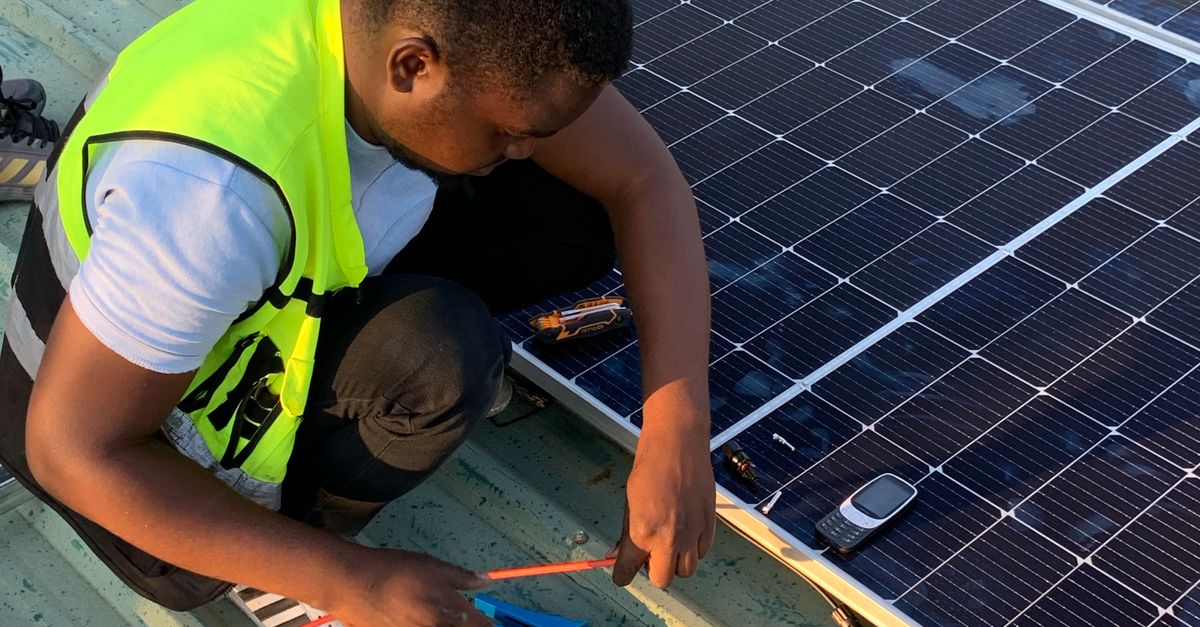
Steps to Prepare Your Property for Solar Panel Installation
Table Of Contents
Preparing Your Roof
A well-prepared roof is essential for a successful solar panel installation. Start by examining the overall condition of your roof. Look for any signs of wear and tear, such as cracked tiles, rotting wood, or rust. These issues should be addressed before solar panels are fitted. A sturdy, structurally sound roof not only supports the weight of the panels but also ensures they remain functional for years to come.
The orientation and angle of your roof also play a crucial role in maximising solar energy collection. Ideally, solar panels should face north in the southern hemisphere to capture the most sunlight throughout the day. Assess the pitch of your roof and any potential shading from nearby trees or buildings. Collaborating with a professional installer can help determine the best layout for your solar panel system, ensuring optimal efficiency and energy output.
Inspecting for Damage and Structural Integrity
Before installing solar panels, it is crucial to conduct a thorough inspection of your roof for any signs of damage. Look for cracked tiles, missing shingles, or any rust on the metal components. These issues can compromise the integrity of the roof and the effectiveness of the solar panel installation. If any concerns arise, addressing them promptly will ensure a solid foundation for your new solar system.
Additionally, assessing the structural integrity of the roof is essential. An evaluation by a qualified professional can determine whether your roof can support the weight of the solar panels and related equipment. Structural reinforcements might be necessary in some cases, especially for older roofs. Failing to address these aspects could lead to serious ramifications down the line, including costly repairs or system inefficiencies.
Planning for System Size
Determining the appropriate system size is crucial for maximising the efficiency and cost-effectiveness of your solar panel installation. Begin by assessing your household's energy consumption. Review your energy bills over the past year to identify your average monthly electricity usage. This information provides a baseline for calculating the number of solar panels needed to meet your energy demands. Keep in mind that this calculation should also account for seasonal variations in energy consumption, as well as any future changes, such as the addition of electric vehicles or home extensions.
Once you have a clear understanding of your energy needs, you can explore different system sizes. Generally, a solar system is measured in kilowatts (kW). An average household in Australia may benefit from a 5 kW system, which typically consists of around 15 to 20 solar panels. However, larger households or those with higher energy requirements should consider scaling up their system size. Consulting with a qualified solar installer can provide tailored recommendations based on your specific circumstances and ensure that you choose a system that balances production capacity with your roof space.
Calculating the Required Output
Determining the required output for a solar panel system starts with understanding your household's energy consumption. Review your electricity bills from the past year to identify average usage in kilowatt-hours (kWh). It's essential to consider seasonal variations as energy needs can fluctuate throughout the year. This analysis will provide a solid foundation for estimating how much solar power you'll need to generate to cover your energy consumption.
Next, consider the solar panel system's efficiency and how much sunlight your location receives annually. Different regions have varying levels of solar irradiance, which directly affects the amount of energy your solar panels can produce. Use this data, along with the capacity of the solar panels you plan to install, to calculate the total system output. This will allow you to size the system appropriately, ensuring it meets your energy needs while also considering future changes in consumption.
Financial Considerations
Investing in solar panels requires careful financial planning to ensure long-term savings and benefits. Homeowners should start by calculating the total cost of the solar system, including installation, maintenance, and any additional components needed. It is also essential to assess how this investment aligns with personal financial circumstances. Understanding potential savings on electricity bills can provide a clearer picture of the return on investment over time.
Exploring available incentives and rebates is a crucial step. Many states in Australia offer financial support for solar panel installations, which can significantly reduce upfront costs. Homeowners should research government schemes and local initiatives that promote renewable energy adoption. Financing options such as loans or payment plans may also be available, allowing greater flexibility in managing expenses while transitioning to solar power.
Exploring Incentives and Rebates
Investing in solar panels can be more accessible with the various incentives and rebates available to homeowners. The Australian government offers several programs aimed at supporting renewable energy adoption, including grants and tax rebates. These financial incentives can significantly reduce the initial costs associated with solar panel installation. Furthermore, some states offer their own programs, enhancing the overall savings.
Additionally, various local councils may have specific initiatives or rebates available for residents who choose to invest in solar energy. It's essential to research not only federal options but also state and local avenues. Consultation with a solar provider can help identify applicable incentives and ensure that all potential savings are maximised. Engaging with the latest information will provide a more comprehensive view of the financial landscape surrounding solar energy investments.
FAQS
What should I check for on my roof before installing solar panels?
Before installing solar panels, you should inspect your roof for any existing damage, such as leaks or missing shingles. Additionally, assess the structural integrity to ensure it can support the weight of the solar panels.
How do I determine the right size solar system for my property?
To determine the right size solar system, you should calculate your household's energy consumption, typically measured in kilowatt-hours (kWh). This will help you understand how much solar power you need to generate to meet your energy needs.
Are there financial incentives available for installing solar panels in Australia?
Yes, in Australia, there are various financial incentives available, including government rebates and feed-in tariffs. These can significantly reduce the upfront cost of installing solar panels and provide ongoing savings on your energy bills.
Do I need to hire a professional for the installation process?
While some homeowners may choose to install solar panels themselves, it is highly recommended to hire a professional installer. They have the expertise to ensure that the system is installed safely, correctly, and in compliance with local regulations.
How long does the solar panel installation process take?
The installation process can vary depending on the size of the system and the complexity of the installation, but it typically takes one to three days to complete once the necessary permits have been obtained.
Related Links
Integrating Site Assessment Data into Your Solar Installation PlanHow Topography Impacts Solar Panel Installation in Adelaide
How to Identify Shading Issues Affecting Solar Panel Efficiency
The Role of Solar Access in Site Assessment for Adelaide Installations
Understanding the Importance of Site Assessment for Solar Installation in Adelaide
Assessing the Structural Integrity of Roofs for Solar Systems
Soil and Ground Evaluations for Ground-Mounted Solar Panels