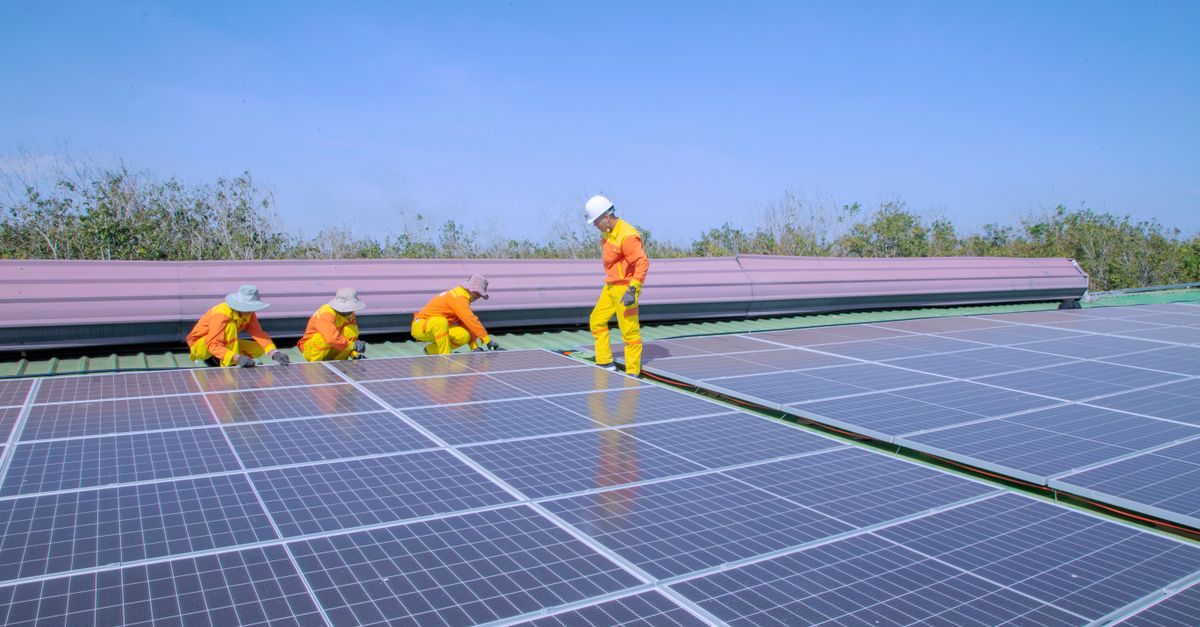
Understanding Solar Rebates Available in South Australia
Table Of Contents
Impact of Solar Rebates on Energy Bills
Solar rebates significantly lower the initial cost of installing solar panel systems, making renewable energy more accessible for households. By offsetting the upfront investment, these rebates encourage more residents to adopt solar technology, ultimately leading to lower long-term energy expenses. When homeowners install solar panels, they can generate their own electricity, which reduces reliance on the grid and consequently decreases monthly energy bills.
With the financial assistance provided by rebates, many users find themselves saving substantial amounts on their annual energy costs. The ongoing savings can be particularly beneficial during peak usage periods, as households can draw power from their solar systems instead of purchasing from retail electricity providers at higher rates. Overall, the financial impact of solar rebates can be a game-changer for many South Australian households, enhancing energy sustainability while promoting economic savings.
Reducing Household Energy Costs
Households across South Australia have experienced significant reductions in energy costs due to the implementation of solar rebates. By installing solar panels, families can generate their own electricity, leading to lower reliance on traditional energy providers. The financial incentives provided by the government further enhance the affordability of these installations, making it easier for individuals to invest in renewable energy solutions.
In addition to immediate savings on energy bills, solar systems can increase a property's value. Prospective homebuyers are often drawn to homes equipped with solar panels, recognising the long-term savings potential. Solar rebates encourage more households to consider renewable energy options, contributing to a broader shift towards sustainability while also relieving financial pressure associated with rising energy prices.
Common Misconceptions About Solar Rebates
Many individuals believe that solar rebates are only available for new installations. In reality, existing systems can also qualify for certain rebates and incentives, depending on their age and performance. Different programs exist to support homeowners who wish to upgrade their systems or make enhancements that increase energy efficiency. As a result, it is essential to investigate all potential options instead of assuming rebates apply exclusively to brand-new solar panel setups.
Another common misconception is that solar rebates cover the total cost of installing solar panels. While these incentives can significantly reduce the upfront expenses, they do not eliminate them entirely. Homeowners are often required to pay a portion of the costs out of pocket, depending on the specific rebate scheme. Understanding the structure of these rebates helps in making informed financial decisions when considering solar energy as a sustainable power source.
Clarifying Myths Surrounding Solar Incentives
Many people believe that solar rebates are only for those who can afford to invest in high-end solar systems. This misconception overlooks the variety of financing options and government incentives designed to make solar energy accessible to a wider demographic. Incentives can cover a substantial portion of the installation costs, enabling households with diverse financial backgrounds to benefit from solar technology.
Another common myth is that solar panels are ineffective on cloudy or rainy days. While it's true that solar energy generation decreases under these conditions, panels can still capture significant sunlight even in less-than-ideal weather. The efficiency of modern solar systems means they can contribute to energy savings throughout the year, not just during peak sunlight months. Addressing these misconceptions can encourage more households to consider the advantages of solar energy.
The Role of Solar Panels in Rebates
Solar panels are at the forefront of the renewable energy revolution in South Australia. They not only reduce reliance on traditional power sources but also play a crucial role in qualifying for various solar rebates. When homeowners invest in solar systems, they can access financial incentives that significantly lower the upfront costs. These rebates generally depend on the size and type of the solar installation, encouraging more residents to transition to sustainable energy solutions.
Different solar systems may have varying eligibility for rebates, making it essential for prospective buyers to understand their options. Standard systems, such as those that meet specific performance requirements, usually qualify for the most substantial incentives. In contrast, unique or experimental installations may not receive the same level of support. Awareness of these categories helps consumers maximise their savings and make informed decisions about their solar investments.
Types of Solar Systems Eligible for Rebates
Various solar systems qualify for rebates in South Australia, catering to different household needs. Generally, both grid-connected and off-grid solar systems are eligible, with grid-connected systems being the most common choice among residents. These systems generate electricity from sunlight and feed any surplus back into the grid, maximising energy savings. Off-grid systems, on the other hand, operate independently and often incorporate battery storage to ensure a continuous power supply.
Furthermore, specific types of solar panel technologies may also influence eligibility for rebates. Monocrystalline and polycrystalline panels are widely accepted, with monocrystalline panels usually offering higher efficiency and a longer lifespan. Additionally, solar hybrid systems that combine solar power with other renewable sources, such as wind or biomass, may also qualify for financial incentives. Understanding these options can help households make informed decisions when investing in solar energy.
FAQS
What are solar rebates in South Australia?
Solar rebates in South Australia are financial incentives provided by the government to encourage the installation of solar energy systems. These rebates can significantly reduce the upfront costs of purchasing and installing solar panels.
How much can I save on my energy bills with solar rebates?
The savings on energy bills can vary based on factors such as your energy consumption, the size of your solar system, and the amount of sunlight your location receives. However, many households can save hundreds to thousands of dollars annually on their energy costs.
Are there any common misconceptions about solar rebates?
Yes, some common misconceptions include the belief that solar rebates cover the entire cost of installation, or that solar panels are only beneficial in sunny areas. In reality, while rebates help reduce costs, they don't cover everything, and solar energy can still be effective in less sunny regions.
What types of solar systems are eligible for rebates in South Australia?
Generally, most grid-connected solar panel systems that meet specific criteria set by the government are eligible for rebates. This includes both residential and commercial systems, but it’s essential to check the latest guidelines to ensure compliance.
How do I apply for solar rebates in South Australia?
To apply for solar rebates, you typically need to work with a registered solar retailer who will guide you through the process. They will assist with the necessary paperwork and ensure your system meets the eligibility requirements for the available rebates.
Related Links
How to Maximise Government Incentives for Solar InstallationRecent Changes to Solar Energy Rebates in Australia
How Rebates Influence the ROI of Solar Energy Systems
The Role of Government Subsidies in Reducing Solar Panel Costs
Eligibility Criteria for Solar Incentives in South Australia