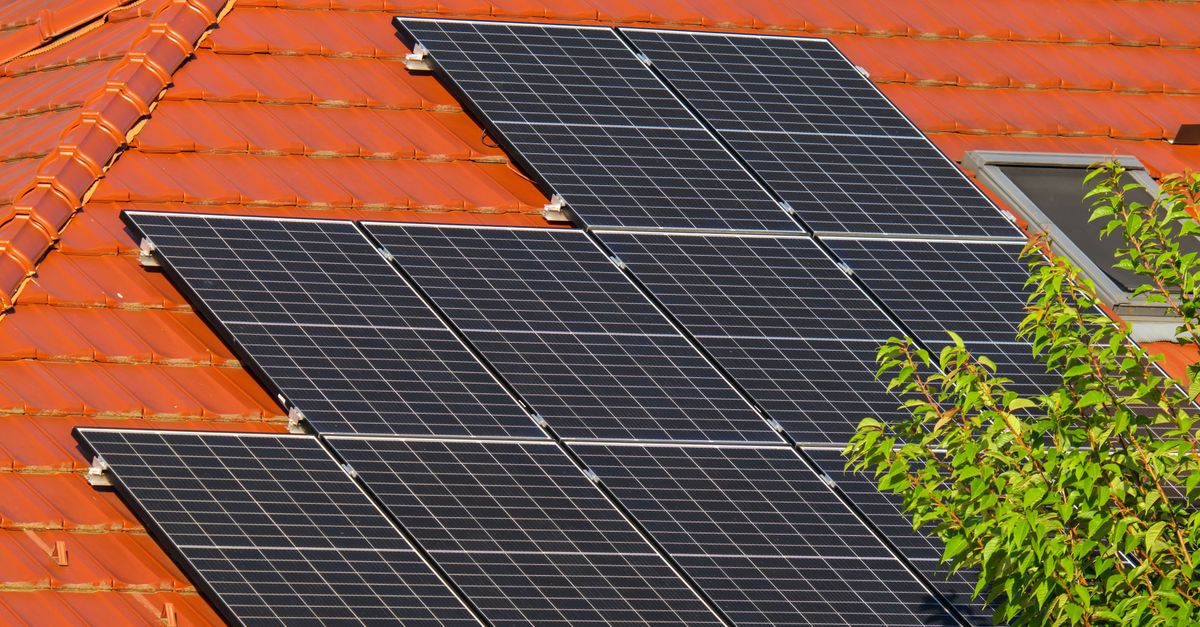
Understanding the Importance of Angle and Orientation in Solar Installation
Table Of Contents
Tools for Measuring Angle and Orientation
Accurate measurements of angle and orientation are crucial for maximising the efficiency of solar installations. A digital inclinometer is a highly effective tool that provides precise angle readings. It allows installers to easily determine the slope of the roof or the tilt required for optimal sunlight exposure. Users can achieve greater accuracy in measurements compared to traditional methods, which can be subject to human error.
Another essential tool is a compass, specifically designed for measuring azimuth angles. An electronic or smartphone app can enhance this process by providing real-time data and reducing the chances of miscalculation. When combined, these tools help technicians ensure that solar panels are positioned to capture the most sunlight throughout the day. Correct placement contributes significantly to the system's overall performance, making these tools indispensable for professional and DIY solar installations alike.
Essential Equipment for Accurate Solar Installations
Accurate solar installations rely heavily on specific equipment to ensure optimal performance and energy capture. A solar inclinometer is invaluable for measuring the angle of the panels relative to the sun’s rays. This instrument provides precise tilt measurements, allowing installers to adjust angles for maximum efficiency. Additionally, solar pathfinders can assist in assessing potential shading by visualising how sunlight travels across the installation site throughout different times of the day and year. Such tools are essential for avoiding pitfalls that could compromise the system's output.
Another critical piece of equipment is a compass, particularly those designed for solar applications. These compasses help determine the correct azimuth angle for solar panels, ensuring they are aligned to face true south in the southern hemisphere. Furthermore, employing a measuring tape allows for accurate placement during installation, ensuring panels are spaced properly and securely mounted. The combination of these tools contributes to an efficient setup, maximising the harnessing of solar energy and enhancing overall system performance.
Common Mistakes in Solar Panel Placement
Many homeowners overlook the significance of the tilt angle when installing solar panels. The incorrect angle can lead to suboptimal energy capture, diminishing the overall efficiency of the system. For instance, panels that are installed too flat may miss capturing direct sunlight during peak hours, especially in winter when the sun is lower in the sky. Adjusting the tilt to match regional climates and seasonal changes can drastically improve performance.
Another common oversight is failing to consider the orientation of the panels. In Australia, facing panels north generally maximises exposure to sunlight, yet some installations might seek to fit panels into spaces without assessing this vital aspect. This can result in poorly oriented systems that underperform compared to those strategically placed. Skipping a thorough evaluation of potential shading from nearby structures or trees can further compound energy loss throughout the day.
Avoiding Errors Related to Angle and Orientation
Proper alignment of solar panels significantly influences their efficiency and durability. Incorrecting positioning can lead to shadows cast by nearby objects such as trees or buildings. Ensuring panels are angled correctly towards the sun is vital, as it maximises exposure throughout the day. Regular assessments of both the physical layout and any surrounding changes in the environment help in maintaining optimal conditions.
Maintaining the appropriate tilt angle optimises energy collection, especially in regions with varying seasonal sunlight. A common oversight is neglecting to account for latitude when setting up panels, as this affects their optimal angle throughout the year. Employing compasses and digital measuring tools can assist in achieving and verifying the correct orientation. Taking these steps creates a reliable solar installation that harnesses energy effectively.
Case Studies in Effective Solar Installations
In a suburban neighbourhood in Brisbane, a family decided to install solar panels to reduce their energy bills. They conducted a comprehensive assessment of their roof's angle and orientation, ultimately positioning the panels at a 30-degree tilt towards the north. This strategy maximised their exposure to sunlight throughout the day, resulting in a significant reduction in electricity costs and a shorter return on investment period for the solar system.
Another successful example comes from a commercial property in Melbourne, where the owners opted for a rooftop solar installation. They worked closely with solar experts to determine the optimal angle for their specific location, which was set at 25 degrees. By successfully avoiding common pitfalls related to incorrect placement, the business not only increased its energy efficiency but also showcased a commitment to sustainability, attracting eco-conscious clients and improving its brand image.
Real-World Examples of Optimal Panel Setup
In Australia, several residential projects have successfully demonstrated the benefits of optimal solar panel orientation and angle. One notable example is a home located in a sun-drenched region of Queensland. The homeowners installed their panels with a tilt of approximately 30 degrees, facing true north. This alignment results in maximum sunlight exposure throughout the year. Consequently, they reported a significant decrease in energy bills alongside a reduced carbon footprint, showcasing the efficiency gained from a well-thought-out installation.
Another example can be found in commercial settings, specifically an office building in Sydney. By utilising a solar tracking system designed to adjust the angle of the panels throughout the day, the installation maximises energy capture. This facility achieves impressive energy generation, significantly exceeding expectations based on fixed installations. The investment in advanced technology not only enhances energy production but also highlights the importance of adapting solar setups to specific environmental conditions for optimal performance.
FAQS
Why is the angle of solar panels important?
The angle of solar panels is crucial because it directly affects the amount of sunlight the panels receive. An optimal angle maximises energy production by allowing panels to capture the most direct sunlight throughout the day.
How can I determine the best orientation for my solar panels?
The best orientation for solar panels typically faces true north in the Southern Hemisphere, as this position allows for maximum sun exposure. You can use tools such as a solar pathfinder or online calculators to find the ideal orientation based on your location.
What tools do I need to measure the angle and orientation for solar installation?
Essential tools include a digital inclinometer or clinometer to measure angles, a compass for determining orientation, and potentially a solar pathfinder to assess shading and sun exposure throughout the year.
What are common mistakes made in solar panel placement?
Common mistakes include installing panels at an incorrect angle, neglecting the impact of shading from nearby trees or buildings, and failing to account for seasonal sun movement, which can lead to reduced energy efficiency.
Can I adjust the angle of my solar panels after installation?
While some solar panel systems allow for adjustable angles, most fixed installations are set at a predetermined angle based on calculations. If adjustments are needed, it may require professional assistance to ensure proper installation and safety.
Related Links
Tips for Seamless Installation of Solar Battery SystemsSelecting the Right Mounting Systems for Adelaide's Climate
Efficient Installation Techniques for Commercial Solar Projects
Step-by-Step Guide to Installing Solar Carports
Integrating Solar Panels with Existing Roof Structures in Adelaide